



The short answer
Prebiotic skincare is skincare that feeds the good bacteria already living on your skin. Instead of adding anything new, it gives your skin's own community what it needs to stay healthy, so your protective barrier can do its job.
In this article
It sounds technical, but the idea is simple. Here's what prebiotics are, how they compare with probiotics, and what to look for.
What are prebiotics in skincare?
Prebiotics are a food source for good bacteria. You've probably heard of them for gut health, where they're the fibres that feed the helpful bacteria in your digestive system. Skin works the same way.
Your skin is covered in millions of tiny living things, mostly bacteria. Together they're called your skin microbiome. When the good bacteria are well fed, they help keep your skin's natural protective barrier healthy.
Think of your skin like an apple. The good bacteria on your skin help keep its natural protective barrier healthy, just like the skin on an apple protects what's underneath.
What are the benefits of prebiotic skincare?
Prebiotic skincare works with your skin rather than against it. In plain words, it:
- Feeds the good bacteria that already belong on your skin.
- Supports your skin barrier, the layer that holds moisture in and keeps irritants out.
- Works gently. There's no stripping, scrubbing or fighting your skin.
- Suits most skin. Because it's about balance, it's not just for one skin type.
This is the part that's often overlooked. When skin feels dry, reactive or out of sorts, most people reach for something stronger. In my clinic, I go the other way and look after the foundation first.
Prebiotics or probiotics: which is better?
They do different jobs:
- Prebiotics are food. They feed the good bacteria you already have.
- Probiotics are live bacteria. In skincare, they're usually added as bacteria that have been inactivated or broken down, because live bacteria are hard to keep alive in a jar.
- Postbiotics are the useful things bacteria make, such as ferments.
Neither is "better" for everyone. My view is simple: your skin already has its own community, and it's unique to you. So rather than adding new bacteria, I'd rather feed the ones that belong there.
How do you know if a product is prebiotic?
Check the ingredient list and the brand's own description. Prebiotics are often plant sugars and fibres, for example from chicory root or agave. On an ingredient list, one of the most common is inulin. That's how you'll see it on MiTruIQ™ labels too. A product can contain prebiotics and still be harsh in other ways, so look at the whole formula and how your skin feels after using it.
A good sign is skin that feels calm and comfortable, not tight or squeaky.
Can you use prebiotic skincare with other products?
Yes. Prebiotic skincare sits easily in most routines. If you're using strong actives like exfoliating acids or retinol, a gentle, barrier-first routine around them can help your skin feel more comfortable. If you're on a prescribed treatment, check with your GP or dermatologist before changing your routine.
Where does MiTruIQ™ fit in?
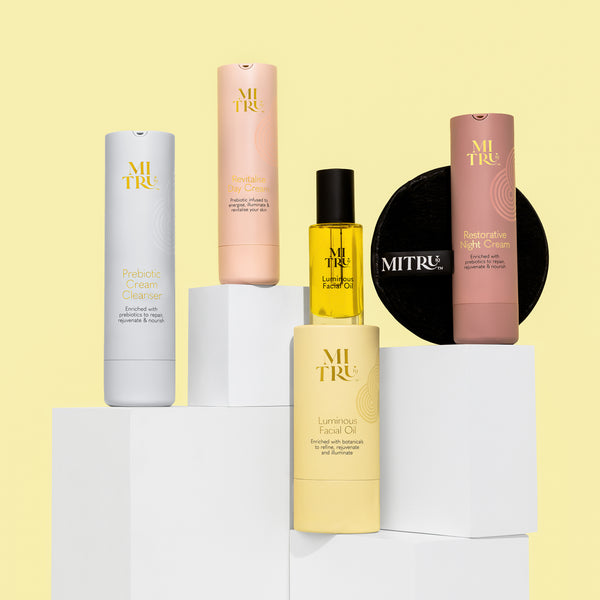
MiTruIQ™ is prebiotic, barrier-first skincare, made in New Zealand. Our Cleanser, Day Cream, Night Cream and Hydrating Spray Shield contain prebiotics, which help support your skin's natural balance. The Facial Oil doesn't, because prebiotics aren't stable in oil. Instead, it's full of nourishing plant oils and extracts: Kakadu plum, raspberry seed and jojoba oils nourish without heaviness, algae oil sinks in fast with no greasy feel, and tomato and green tea antioxidants give a radiant-looking glow. It won Best Facial Oil 30+ at the Beauty Shortlist Awards 2026.
The Day Cream is prebiotic moisture that works with your skin, not against it. The Night Cream is prebiotic overnight care for calm, comfortable skin.
Want the full picture? Read how prebiotics work.
Prebiotic skincare FAQs
Is prebiotic skincare good for sensitive skin?
It's a gentle approach that supports your skin barrier, which is why many people with sensitive skin like it. As with anything new, introduce one product at a time.
Do prebiotics in skincare work straight away?
Your skin may feel more comfortable soon after you start, but supporting your skin's natural balance is about using it every day. Give any new routine a few weeks.
Can I use prebiotic and probiotic skincare together?
Yes. They do different jobs, so they can sit in the same routine. Keep the routine short so you can tell what's working.
Does every MiTruIQ™ product contain prebiotics?
No. The Cleanser, Day Cream, Night Cream and Hydrating Spray Shield do. The Facial Oil doesn't, because prebiotics aren't stable in oil. It's packed with nourishing plant oils instead, like Kakadu plum, raspberry seed and jojoba.

The routine I recommend most
The Core RitualCleanser, Day Cream and Night Cream. Morning and night.
5.0/5 from 64 reviews
$84.80 $106
30-day money-back guarantee, even if opened