


The short answer
A rosacea skincare routine is a short, gentle routine that avoids your triggers and supports your skin's protective barrier. The aim is calm, comfortable skin: fewer products, no scrubbing and nothing that stings.
In this article
Rosacea is a long-term skin condition, so it's important to get a diagnosis from your GP or a dermatologist. Alongside their advice, here's how I'd look after red, reactive skin.
What is rosacea?
Rosacea is a common skin condition that mostly affects the middle of the face: the cheeks, nose, chin and forehead. It often starts between the ages of 30 and 60. You might notice:
- Redness that doesn't go away, or flushing that comes and goes.
- Skin that burns, stings or feels dry.
- Small, visible blood vessels.
- Bumps or spots that look a bit like acne.
It tends to flare up and settle down in cycles. Skin with rosacea also tends to have a weaker protective barrier, which is why it reacts so easily.
What are common rosacea triggers?
Triggers are different for everyone, but common ones include:
- Sun and heat
- Sudden changes in temperature, cold wind and hot showers
- Exercise
- Spicy food, hot drinks and alcohol
- Stress
- Harsh skincare
Keeping a simple diary of what you ate, did and used on the days your skin flares can help you spot your own triggers.
What should you avoid in a rosacea skincare routine?
- Scrubs, cleansing brushes and face cloths. Rubbing makes redness worse.
- Strong exfoliating acids and peels, unless your dermatologist suggests them.
- Alcohol-based toners and products with menthol, camphor or witch hazel.
- Hot water. Use lukewarm water instead.
- Long routines. The more products you use, the more chances your skin has to react.
What does a gentle rosacea routine look like?
When a client's skin reacts to almost everything, I don't add more. I cut their routine back to a few gentle steps that calm and support the skin's protective barrier.
Morning
- Cleanse gently with a cream cleanser and lukewarm water. Pat dry.
- Apply a light moisturiser.
- Protect your face from the sun with the sun protection your GP or pharmacist recommends.
Night
- Cleanse gently to remove makeup and the day.
- Apply a calming night cream.
That's it. Bring in anything new one product at a time, a couple of weeks apart.
How do prebiotics fit in?
This is the part that's often overlooked. The good bacteria on your skin help keep your protective barrier healthy, and red, reactive skin usually has a barrier that's struggling.
Think of your skin like an apple. The good bacteria on your skin help keep its natural protective barrier healthy, just like the skin on an apple protects what's underneath.
Prebiotics are food for those good bacteria. They don't replace anything your GP or dermatologist gives you. They support your skin's own natural functions, so your barrier is in better shape day to day.
What customers with rosacea have found
Everyone's skin is different, but here's what some customers have told us in their own words:
"I suffer with rosacea and this cleanser has been a life saver, my skin is looking so much clearer" Amy, verified buyer
"I have always had a lot of trouble with my skin suffering from Roscea. I came across this product at the market and my skin has become hydrated and the irritation and redness have improved markedly . Iran out and my skin reverted back to being irritated and sore. I am now on my second batch and my skin is looking good" Andrea, verified buyer
Individual results vary.
Where does MiTruIQ™ fit in?
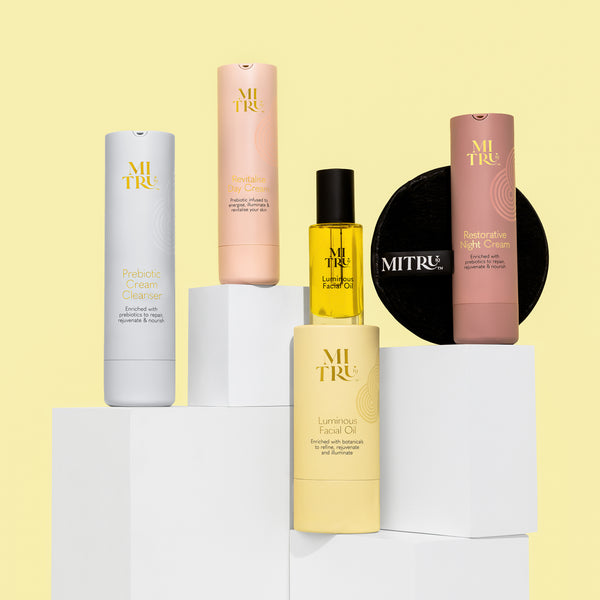
MiTruIQ™ is prebiotic, barrier-first skincare, made in New Zealand. Our Night Cream is award-winning: Best Night Cream for Sensitive Skin. Our Cleanser removes makeup and sunscreen without stripping, and leaves skin soft, calm and comfortable.
MiTruIQ™ is a gentle everyday routine to use alongside your GP or dermatologist's advice. Read more on my page for sensitive and reactive skin, or see how prebiotics work.
When should you see a GP or dermatologist?
See your GP or a dermatologist if:
- You think you might have rosacea and haven't had it diagnosed.
- Your redness, bumps or burning are getting worse.
- Your eyes feel gritty, sore or red.
- The skin on your nose is getting thicker or bumpier.
There are prescription options that can help, and the earlier you get advice, the better.
Rosacea skincare FAQs
Can I use MiTruIQ™ alongside my rosacea medication?
Check with your GP or dermatologist first, especially if your medication is prescribed. Many people use a gentle cleanser and moisturiser alongside their prescribed routine.
Is rosacea the same as sensitive skin?
No. Rosacea is a diagnosed skin condition. Sensitive skin is how skin feels. People with rosacea often have sensitive skin, but not everyone with sensitive skin has rosacea.
Should I use a scrub on rosacea?
No. Scrubbing and rubbing usually make redness worse. Keep everything gentle.
Does rosacea go away?
Rosacea is long term, but it often has calmer stretches and flare-ups. Knowing your triggers and keeping your routine gentle helps.

The routine I recommend most
The Core RitualCleanser, Day Cream and Night Cream. Morning and night.
5.0/5 from 64 reviews
$151.20 $189
30-day money-back guarantee, even if opened